
The ideal speaker shell has zero vibration or resonance when playing and serves as a sound insulator for the backside of the drivers. It’s important that the shell insulates the sound waves produced from the backside of the drivers and prevent them from interacting with the sound waves produced by the front of the driver. If these sound waves were to interact they could cancel each other out and negatively effect the speaker performance.

Concrete is an incredibly dense, rigid and durable material making it great at reflecting sound and dampening vibration, and is the reason it is perfect for speaker construction. Still skeptical? Look at how sound proof rooms are constructed. Concrete is widely used for sound proofing because of all the characteristics previously discussed. If it works for sound proofing rooms why not speakers? It is essentially just a small sound proof room.
why arn’t concrete speakers more common?
- First, concrete is heavy! Large companies don’t want to pay to ship concrete speakers everywhere if they can just make them out of light weight plastic or cheap wood.
- Second, manufacturing concrete shells is hard! Whether its designing the molds and tooling or actually pouring the castings, working with concrete is a special skill that requires a lot of knowledge often learned through trial and error.
- Lastly, concrete is just more expensive. Speakers are often built from cheap wood composite or plastic and are poorly constructed.
We believe none of the above reasons justify compromising the sound quality of our speakers. Instead, we took those challenges head on and produced the best quality speakers we can.
How we do it.
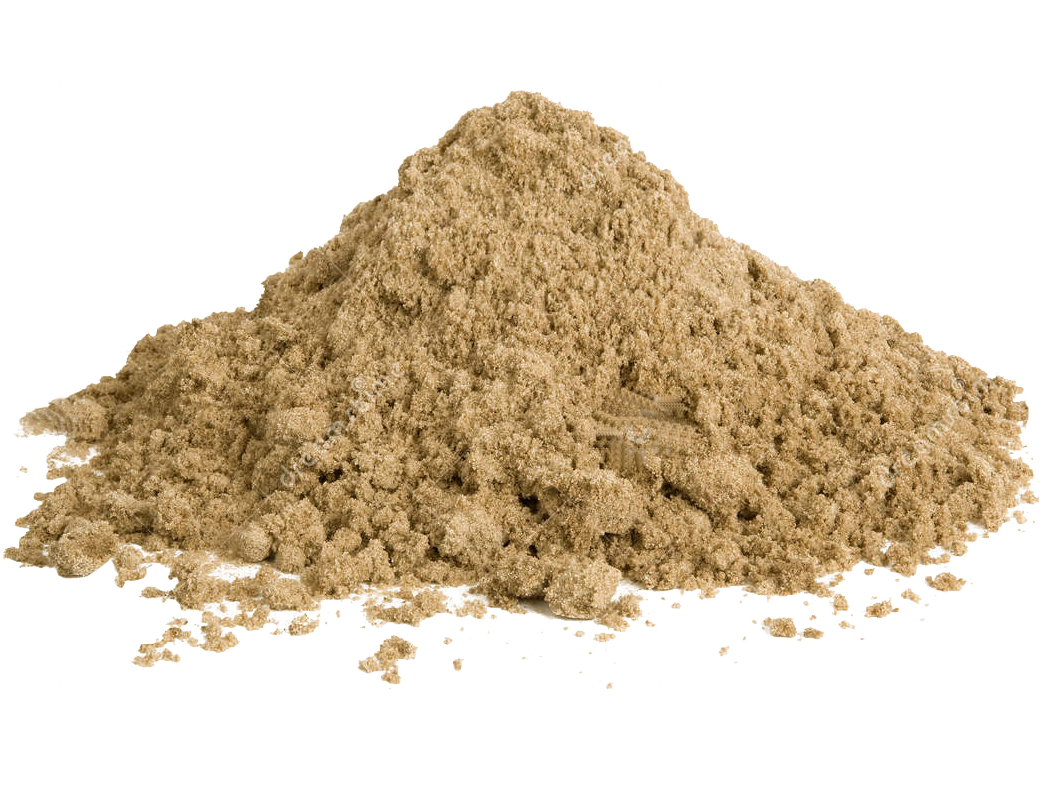
Traditional concrete is a mixture of 4 ingredients.
Cement

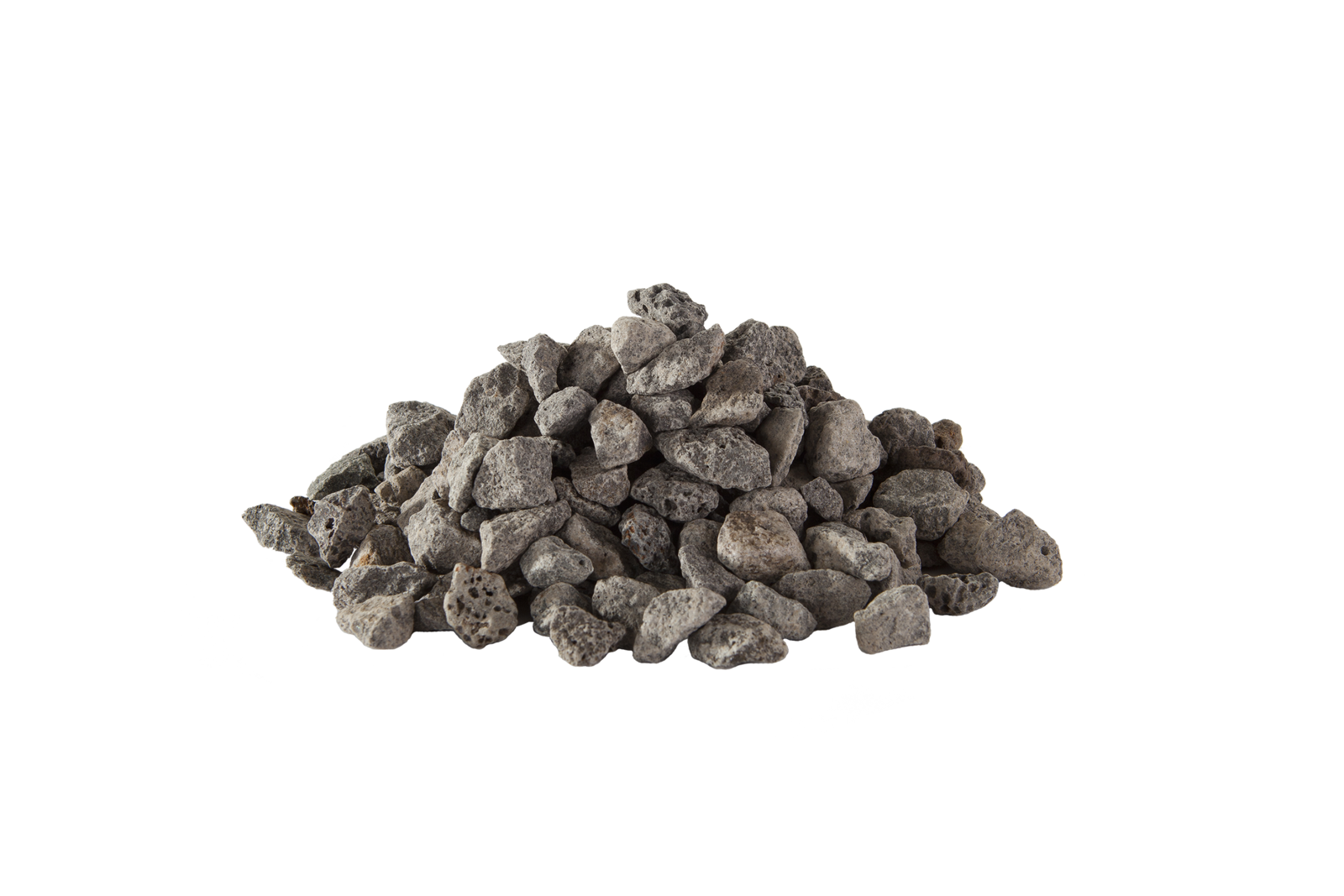
Agregate
Sand
Water

The concrete formula we use is a bit different. We needed to keep the strength and rigidity of traditional concrete while improving the surface finish and texture. We found that the traditional formula had too much large aggregate. This made the finish non-uniform and rough. To address this we use less large aggregate and in order to maintain the strength we add strands of fiberglass. This makes for an incredibly stiff casting and a beautiful surface finish.
 Design 2 Make